Why sort waste

By sorting waste, we contribute to environmental protection and save natural resources. It helps to reduce the amount of waste in landfills and allows for the recycling of materials that can be reused. Together we can create a cleaner and more sustainable future.
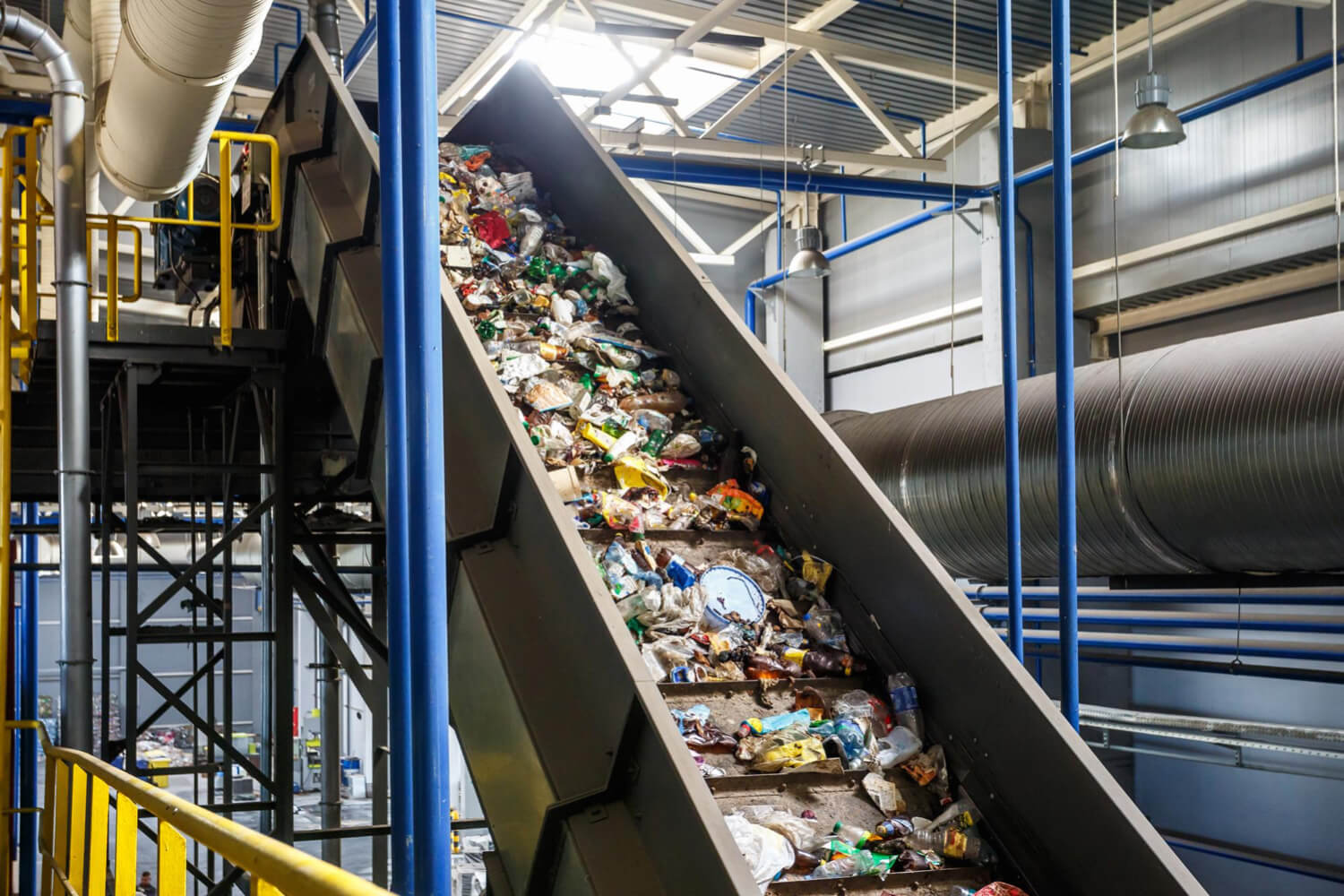
Did you know that?

  • 1 tonne of recovered paper saves 17 trees
  • if 1 million glass bottles and jars are returned to the glassworks, up to 300 tonnes of glass sand, 1,000 tonnes of soda, 60 tonnes of fuel oil, 0.76m m3 of natural gas and a lot of electricity are saved in the production of new products
  • the primary raw material in the production of plastics is crude oil
  • recycled PET (plastic bottles) are used to make clothes
  • recycling waste aluminium saves 95% energy compared to production from virgin raw material
  • recycling 1kg of scrap iron saves 2kg of coal, 4kg of iron ore, 4min and 20 seconds of work
  • the first plastic was invented by Leonardo da Vinci
  • plastic takes on average 100 to 1000 years to decompose in nature
    • plastics are made from chemicals derived primarily from petroleum
    • plastics are the most widely used material
    • the average Slovak consumes the most plastic bags in Europe. Up to 466 per year
    • plastic for processing ends up most often in China
    • the biggest dumping ground for plastic is the ocean
    • sorted waste becomes secondary raw material:
      • returns to production and reduces demands on natural resources and energy
      • material recovery of waste is ensured
      • raw material resources are saved

How will you help?

  • take part in the separate waste collection system
  • do not dispose of other municipal waste in containers intended for separate collection
  • dispose of packaging free of food residues in sorted collection containers
  • try to minimise waste (e.g. by squeezing plastic bottles, milk cartons, etc.)

What do we sort?

  • glass
  • plastics
  • metals
  • paper
  • beverage cartons